 -20% on many items!
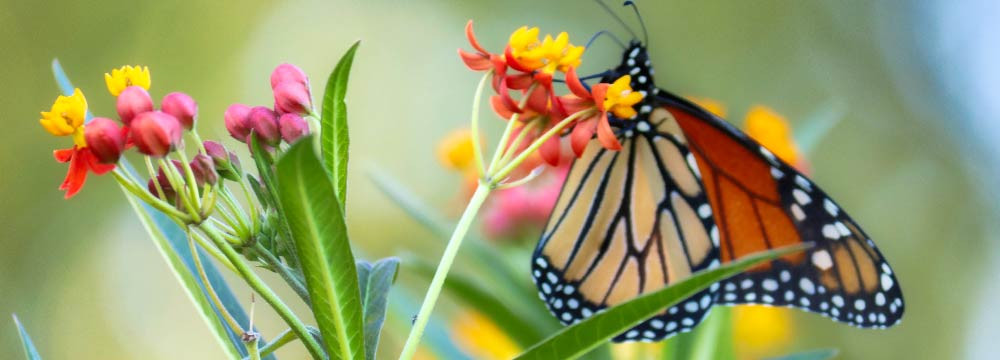
Butterflies

What You Need to Know About Butterflies: A Fascinating Guide
What is the life cycle of a butterfly?
The stages of butterfly metamorphosis
Butterflies are fascinating insects that undergo a complete metamorphosis. The butterfly's life cycle begins when females lay eggs on the leaves of a host plant. The eggs are generally small and sticky. Once hatched, the larvae, called caterpillars, feed voraciously on the host plant. After several molts, the caterpillar transforms into a chrysalis. During this phase, the insect's organs reorganize to form the adult butterfly.
Once the metamorphosis is complete, the butterfly emerges with its wings still soft and crumpled. It unfolds and dries them before flying off. The wings are covered with colorful scales, arranged in rows like tiles on a roof, creating the characteristic patterns of each butterfly species.
Adult butterflies are also equipped with antennae that allow them to detect smells and pheromones. Most butterflies feed on nectar and are attracted to flowers.
Butterflies play an important role in pollination and serve as food for birds and other predators.
Depending on the species, the life of adult butterflies can last from a few days to several months.

How long does a butterfly live?
The lifespan of butterflies varies considerably depending on each butterfly species.
In general, adult butterflies also have a short lifespan, ranging from a few days to several months. Some butterfly species can live up to a year, while others live only a few days. Butterflies have a great diversity of life cycles, influenced by factors such as climate, predators, and food availability.
A butterfly is divided into three main parts: the head, thorax, and abdomen. The butterfly's antennae are essential for its survival, as they can detect pheromones and other chemical signals. The adult butterfly's legs are adapted for clinging to surfaces and feeding. The scales on their wings allow them to fly and regulate their temperature. Butterflies are found in various habitats, including meadows and forests.
Butterflies undergo a complete metamorphosis, passing through the stages of egg, larva, chrysalis, and adult. Butterfly larvae, or caterpillars, feed on host plants specific to different species. Adult butterflies spend most of their time flying, feeding, and reproducing. Butterflies fly from flower to flower, playing a crucial role in pollination.
How do butterflies reproduce?
Some butterflies reproduce in fascinating ways. Like insects, butterflies can lay eggs on specific plants. Butterflies use pheromones to attract a partner, and butterflies are more active during certain times of the year.
Each butterfly species has its own reproductive habits, and butterflies are found in various habitats around the world.
Butterfly species lay different numbers of eggs, and a number of butterfly species have unique strategies to protect their offspring. There are about 20,000 known species of butterflies, and the diversity of butterflies in the world is impressive. The eyes of butterflies play an important role in finding partners, and wing patterns can also serve to attract a mate.

How to identify different species of butterflies?
The distinctive features of butterflies
The wings of butterflies are also remarkable for their beauty and diversity. Butterfly wings can display a wide variety of colors and patterns, which, depending on the species, serve as camouflage or a warning.
Butterflies can be diurnal or nocturnal, and butterflies are also more active on sunny days. Butterflies are attracted to colorful and fragrant flowers, from which they feed on nectar.
What distinguishes butterflies from other insects is their complete metamorphosis.
The life cycle also includes eggs, caterpillars, and chrysalises. Caterpillars have mandibles for eating leaves, while adults have a proboscis for sucking nectar. Many butterfly species have developed unique adaptations, such as the ability to camouflage themselves under leaves or mimic other species. A butterfly's wings are covered with microscopic scales that give them their bright colors. These scales allow butterflies to regulate their body temperature and protect themselves.
Butterflies have developed defense mechanisms against predators, such as birds.
Some species have patterns that resemble eyes on their wings, while others produce toxic substances present in their wings and body.
The number of butterflies in a region is often an indicator of the ecosystem's health.
Diurnal butterflies vs. Moths
Diurnal butterflies and moths are fascinating and essential to our ecosystem!
Although all insects play a crucial role in nature, butterflies are particularly important for pollination.
A butterfly's wings are often more colorful in diurnal species, while nocturnal butterflies (moths) generally sport darker, more discreet shades. This difference is explained by their respective lifestyles and camouflage strategies.
It is crucial to save butterflies, as their population is decreasing due to habitat destruction and the use of pesticides. By preserving these delicate creatures, we contribute to maintaining the balance of our environment and protecting biodiversity for future generations.
The most common butterfly species
Butterflies are fascinating insects that can be observed in many environments.
Among the most common species in France are the Peacock butterfly, recognizable by its eye-shaped patterns on the wings, and the Brimstone, with its characteristic bright yellow color.
The Red Admiral and the Painted Lady are also very widespread, with their orange colors and black and white patterns. In gardens, one can often spot the Large White, a white butterfly with black spots, as well as the Swallowtail, with yellow wings adorned with black patterns.
Other common species include the Orange-tip, whose male has bright orange spots on its white wings, and the Comma, recognizable by its jagged wings.
These butterflies play an important role in pollination and are an essential link in the biodiversity of our ecosystems.

What is the ecological importance of butterflies?
The role of butterflies in pollination
Butterflies play a crucial role in the pollination of many plant species.
Thanks to their long proboscis, they can reach the nectar of deep-corolla flowers, inaccessible to other insects. While feeding, they unintentionally transport pollen from one flower to another, thus ensuring plant reproduction.
Unlike bees, butterflies do not actively collect pollen, but their hairy bodies and wings still allow for its effective transport.
Their ability to fly over long distances also promotes plant genetic diversity by facilitating exchanges between distant populations.
However, many butterfly species are threatened by habitat destruction and pesticide use. Their decline could have serious consequences for biodiversity and ecosystem balance, highlighting the importance of their protection to maintain essential pollination services.
Butterflies as indicators of environmental health
Butterflies are considered excellent bio-indicators of environmental health.
Their sensitivity to ecological changes makes them valuable sentinels for assessing the state of our ecosystems. The presence or absence of certain butterfly species can reveal crucial information about habitat quality, pollution, and climate change.
For example, a decrease in butterfly diversity in a given area can signal environmental degradation or excessive pesticide use. Scientists often use butterfly populations as a barometer of overall biodiversity.
By monitoring these fascinating insects, we can better understand the impacts of our actions on the environment and take measures to protect and restore threatened ecosystems.
The impact of butterflies on the food chain
Butterflies play a crucial, though often underestimated, role in the food chain.
As pollinators, they contribute to the reproduction of many plant species, thus ensuring the availability of food for other animals. Caterpillars, the larval stage of butterflies, are an important food source for many birds, small mammals, and predatory insects.
This relationship helps maintain the balance of species populations in the ecosystem.
Adult butterflies also serve as prey for various animals, including bats and some reptiles. Their presence or absence can therefore have significant repercussions on higher trophic levels.
Thus, the conservation of butterflies is essential for maintaining biodiversity and the stability of ecosystems.

How to attract butterflies to your garden?
Butterflies' favorite host plants
Butterflies are attracted to certain plants that provide them with nectar and serve as egg-laying sites. Among the favorites are lavender, buddleia (butterfly bush), and wildflowers like daisies. These plants offer flowers rich in nectar and are easily accessible to butterflies. Aromatic plants like thyme, mint, and oregano are also appreciated.
For reproduction, butterflies look for specific host plants on which to lay their eggs.
For example, nettle for the peacock butterfly or fennel for the swallowtail. Creating a diverse butterfly garden with these plants will attract a variety of species. It is important to avoid pesticides and leave wild areas to promote biodiversity and provide habitats for butterflies throughout their life cycle.
Creating a butterfly-friendly habitat
Creating a habitat conducive to butterflies is a wonderful way to support local biodiversity.
Start by planting a variety of nectar-rich flowers like lavender, buddleia, and echinacea. These plants provide an essential food source for adult butterflies. Be sure to also include specific host plants for caterpillars, such as nettle for the peacock butterfly or fennel for the swallowtail.
Create areas sheltered from the wind and provide shallow water sources for butterflies to drink from. Avoid using pesticides and opt for natural gardening methods. Leave some areas of your garden a little wild, with tall grass and dead leaves, to provide shelter and hibernation sites.
With these arrangements, your garden will quickly become a true paradise for butterflies.
Feeding and protecting butterflies
Butterflies are fascinating creatures that play a crucial role in our ecosystems.
To feed and protect them, it is important to create a welcoming environment in our gardens:
- Plant nectar-rich flowers like buddleias, lavenders, and salvias to provide them with food.
- Avoid using pesticides that can be harmful to these delicate insects.
- Leave wild areas in your garden where butterflies can rest and reproduce. Install shallow water sources so they can drink safely.
- Also preserve host plants like nettles and thistles, which are essential for egg-laying and caterpillar development.
- Finally, participate in citizen science programs to help monitor butterfly populations.
By taking these steps, we can contribute to the conservation of these magnificent insects and preserve the biodiversity of our ecosystems.

What threats do butterfly populations face?
The effects of climate change on butterflies
Climate change has significant impacts on butterfly populations.
Rising temperatures are changing their natural habitats, disrupting their life cycle and migrations. Some species are forced to move to higher latitudes or altitudes to find favorable conditions. This can lead to population fragmentation and a reduction in genetic diversity.
Furthermore, changes in the flowering periods of the plants butterflies feed on can cause a phenological mismatch, threatening their survival. Extreme weather events, such as prolonged droughts or floods, are becoming more frequent and can destroy butterfly habitats: these ecological disturbances have serious consequences for the biodiversity and balance of the ecosystems of which butterflies are an integral part.
Habitat loss and its consequences
Butterfly populations are declining in many parts of the world due to habitat loss. This decline is mainly caused by urbanization, intensive agriculture, and deforestation.
Butterflies need specific ecosystems to survive, reproduce, and feed.
The destruction of these habitats has serious consequences for butterflies. It reduces their access to food plants and breeding sites, thus disrupting their life cycle.
Moreover, habitat fragmentation isolates populations, limiting their genetic diversity and their ability to adapt to environmental changes.
To preserve butterflies, it is crucial to protect and restore their natural habitats. This involves creating ecological corridors, promoting environmentally friendly agricultural practices, and raising public awareness about the importance of these pollinating insects for biodiversity and the balance of ecosystems.
Pesticides and their impact on butterflies
Pesticides are widely used in modern agriculture to protect crops from pests.
However, their excessive use has disastrous consequences for biodiversity, particularly on butterfly populations. These chemicals directly affect butterflies by killing them or disrupting their life cycle.
In addition, they eliminate the host plants that caterpillars feed on and reduce the floral diversity needed by adult butterflies. Neonicotinoid insecticides, for example, are particularly harmful because they persist in the environment for a long time.
The alarming decline in butterfly populations in many regions is an indicator of the general health of ecosystems.
To protect these essential pollinators, it is crucial to reduce the use of pesticides and promote more sustainable agricultural practices that preserve biodiversity.

What are the fascinating adaptations of butterflies?
Butterfly defense mechanisms
Butterflies have developed many defense mechanisms to protect themselves from predators.
One of the most remarkable is mimicry, where some species imitate the appearance of other animals or objects to deceive their enemies. Aposematic coloration is another effective strategy, using bright colors to signal their toxicity to potential predators.
Some butterflies produce repellent or toxic chemicals to defend against attacks. Finally, many species have developed eye patterns on their wings to scare predators or distract them from vital parts of their body.
These adaptations, combined with their erratic and unpredictable flight, make butterflies masters of survival in the natural world.
The migration of monarch butterflies
The migration of monarch butterflies is one of the most impressive natural phenomena in the world.
Every year, these delicate insects undertake an incredible journey of over 4,000 kilometers, from Canada and the northern United States to Mexico.
This extraordinary journey begins at the end of summer, when the monarchs sense the approach of winter. They gather in large groups and fly south, guided by a mysterious instinct. Their final destination is the fir forests in the mountains of central Mexico, where they spend the winter.
In the spring, the butterflies begin their return journey north. What makes this migration even more remarkable is that it spans several generations. The monarchs that arrive in Canada are not the same ones that left Mexico, but their descendants.
Butterflies and their ability to adapt to the climate
Butterflies are fascinating insects known for their beauty and apparent fragility.
Yet, they possess a remarkable ability to adapt to climate change. These delicate creatures can adjust their behavior and physiology in response to variations in temperature and humidity
.For example, some species change their flight periods or distribution ranges to adapt to changing weather conditions. Others develop more effective thermoregulation mechanisms, such as adjusting the position of their wings to control heat absorption.
However, despite this adaptability, many butterfly species are threatened by rapid global warming. Preserving their habitats and reducing greenhouse gas emissions are crucial to ensuring the long-term survival of these emblematic creatures and maintaining the biodiversity of our ecosystems.